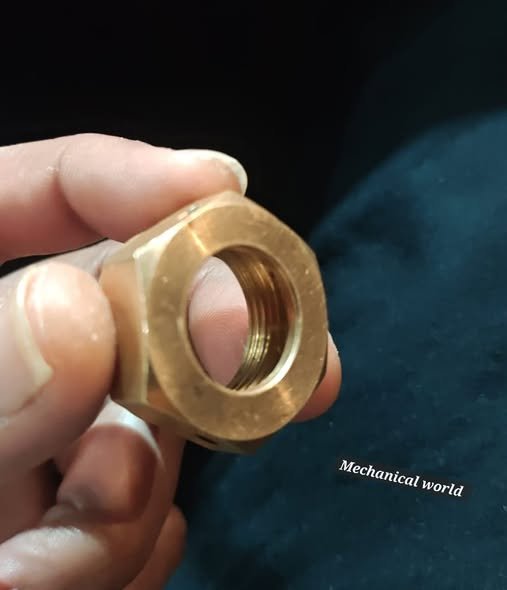
A brass nut fails in a quiet way. It does not crack loudly or fall apart in the hand. It strips — the thread gives way under torque, the nut spins without tightening, and the joint that was supposed to hold stays loose. By the time that happens, the nut is already installed, the assembly is already built, and the fix is a replacement, not an adjustment. A stripped brass nut is rarely a material failure; it is usually a specification failure, and this guide solves it at the drawing stage, where it is cheap: the thread engagement was too short, the wall was too thin, the hex was too small for the torque, or the torque itself was never stated in the RFQ. Brass is a forgiving material to machine, but it is not a forgiving material to overload — and the difference between a nut that holds and a nut that strips is decided on the drawing, not on the assembly line.
Why brass nuts strip: the four causes a buyer can control
A nut strips when the load on the thread exceeds what the engaged thread can carry. That can happen for four reasons, and a buyer can control all four. The first is thread engagement that is too short: fewer engaged threads carry the same load, so each thread carries more, and the thread shears. The second is a wall that is too thin: the nut body flexes and the thread form distorts under load, so the thread no longer bears evenly. The third is a hex that is too small for the torque being applied: the wrench rounds the corners before the joint is tight, or the installer over-torques because the tool gives no feedback. The fourth is a torque requirement that was never stated: the assembler tightens by feel, and feel varies from one person to the next. None of these is a mystery. Each one is a dimension or a number that belongs in the RFQ, and a drawing that states none of them leaves the supplier guessing at the load the nut must survive.
Thread engagement: how much thread the joint actually needs
Thread engagement is the length of thread that is actually in contact when the nut is tightened. It is not the same as the length of the nut, and it is not the same as the length of the threaded hole or stud. A nut that is long but only engages a few threads — because the mating thread is short, or because a washer or a chamfer takes up part of the length — behaves like a short nut. The buyer should state the engagement in the RFQ: how many threads, or how much length, will actually be engaged in the assembled joint, and what load that joint must carry. If the mating part is not yet final, say so, and say what the minimum engagement will be. A supplier who knows the engagement can judge whether the thread will hold; a supplier who only knows the nut length cannot. Do not copy an engagement length from a different assembly without checking it, because the same nut behaves differently on a short stud than on a long one.
Hex size, wall thickness, and the shape of the nut
The hex is not decoration. It is the surface the wrench grips, and its size decides how much torque can be applied cleanly. A hex that is too small for the torque rounds off, and a rounded hex cannot be tightened or removed properly. The wall thickness — the material between the thread and the outside of the nut — decides how the nut behaves under load. A thin wall flexes, and a flexing wall lets the thread distort, which concentrates the load on the first few threads and starts the stripping. State the hex size and the wall thickness as requirements, not as afterthoughts, and state the wrench or driver that will be used. If the nut must fit in a tight space, say what the space allows, so the supplier can judge whether the hex and the wall can both be adequate in that envelope. A nut that fits the space but cannot carry the torque is not a solution.
Torque: the number that should be in every RFQ
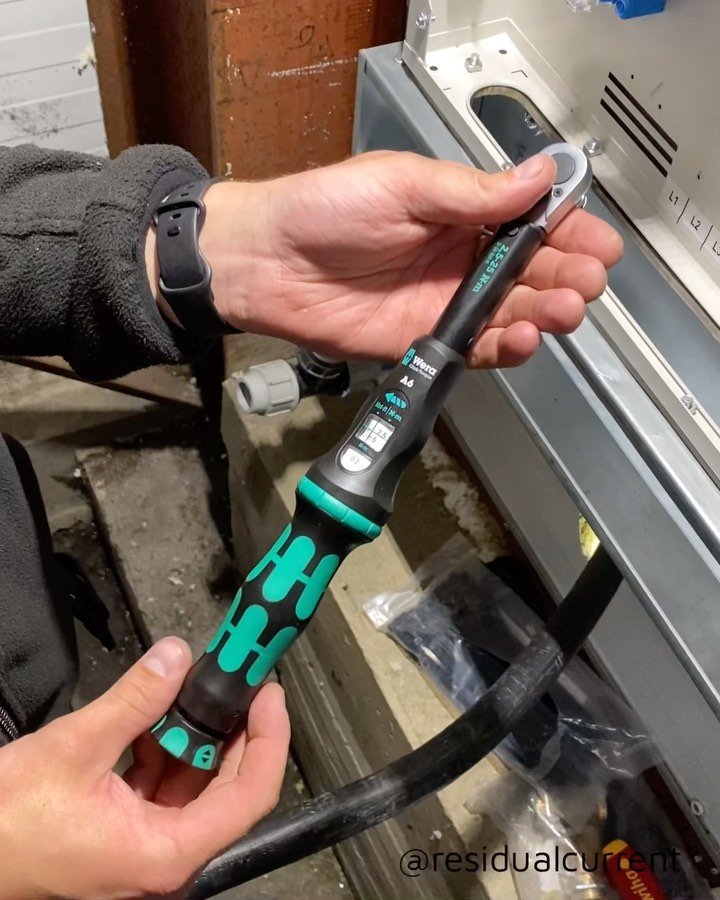
Torque is the requirement most often left out of a nut RFQ, and it is the requirement that matters most. A nut is tightened to a torque, and the thread must survive that torque — not once, but every time the joint is assembled and disassembled. State the torque in the RFQ: the tightening torque, whether the joint will be assembled once or repeatedly, and whether the torque is applied by hand, by a torque wrench, or by a power tool. A joint that is assembled once can tolerate a tighter approach than a joint that is opened for service every month. If the torque is not known, say what the joint does and what load it carries, and ask for a recommendation — but do not leave the field blank. A supplier who knows the torque can check the thread engagement and the wall against it; a supplier who does not know it can only guess, and a guess that is too optimistic is how nuts strip in service.
Material and finish: what brass brings, and what to watch
Brass is chosen for nuts because it machines cleanly, holds a thread well, and resists corrosion in ordinary use. But brass is softer than steel, and a brass nut tightened the way a steel nut would be tightened will strip. That is not a reason to avoid brass; it is a reason to specify the nut for brass. State the material family in the RFQ, and state whether the nut will be used with a brass mating thread, a steel stud, or another material, because the mating material changes how the thread behaves. A brass nut on a steel stud behaves differently from a brass nut on a brass stud. Finish matters too: a finish that changes the thread dimensions changes the fit, so state whether the nut is supplied plain or finished, and whether the finish is applied before or after threading. If the nut will be exposed to a corrosive environment, say so, so the material and finish can be judged together rather than separately.
How to write the RFQ so the nut is quoted correctly
A good nut RFQ reads like a description of the joint, not like a shopping list. It states the thread size and pitch, the engagement length, the hex size, the wall thickness or outside dimensions, the material, the finish, the tightening torque, how often the joint is assembled, and what the mating thread is. It also states what the nut must survive: vibration, temperature change, repeated disassembly, or a corrosive environment. Each of those facts lets the engineer check the nut against the load. A drawing that shows only the thread size and the overall length will be quoted as if the load did not matter, and the quote will be for a nut that may or may not hold. Write the joint first and the nut second, and the nut will be specified for the job it actually does.

Common pitfalls and how to avoid them
The most common pitfall is copying a nut from a steel assembly into a brass one without changing the engagement or the torque, so the brass thread strips under a load the steel thread carried easily. The second is specifying the nut length instead of the engaged length, so a long nut with only a few engaged threads is treated as a strong one. The third is a hex that is too small for the torque, so the corners round before the joint is tight. The fourth is a wall so thin that it flexes and distorts the thread. The fifth is a torque requirement that was never stated, so the assembler tightens by feel and the feel is wrong. The sixth is a mating material that was never named, so the thread is designed for the wrong partner. Each of these is found cheaply on the drawing and expensively in the assembled product.
Buyer FAQ
Why do brass nuts strip?
A nut strips when the load on the thread exceeds what the engaged thread can carry, and that happens for four reasons — all of which a buyer can control. The first is thread engagement that is too short. The second is a wall that is too thin. The third is a hex that is too small for the torque being applied. The fourth is a torque requirement that was never stated.
Is nut length the same as thread engagement?
No. Thread engagement is the length of thread that is actually in contact when the nut is tightened. It is not the same as the length of the nut, and it is not the same as the length of the threaded hole or stud. A nut that is long but only engages a few threads — because the mating thread is short, or because a washer or a chamfer takes up part of the length — behaves like a short nut. State the engagement in the RFQ, and do not copy an engagement length from a different assembly without checking it.
Why does the hex size matter?
The hex is not decoration. It is the surface the wrench grips, and its size decides how much torque can be applied cleanly. A hex that is too small for the torque rounds off, and a rounded hex cannot be tightened or removed properly. State the hex size and the wall thickness as requirements, not as afterthoughts, and state the wrench or driver that will be used.
What torque should I state in the RFQ?
The tightening torque, whether the joint will be assembled once or repeatedly, and whether the torque is applied by hand, by a torque wrench, or by a power tool. A joint that is assembled once can tolerate a tighter approach than a joint that is opened for service every month. If the torque is not known, say what the joint does and what load it carries, and ask for a recommendation — but do not leave the field blank.
Does the mating material matter?
Yes. A brass nut on a steel stud behaves differently from a brass nut on a brass stud, because the mating material changes how the thread behaves. State whether the nut will be used with a brass mating thread, a steel stud, or another material. Brass is softer than steel, and a brass nut tightened the way a steel nut would be tightened will strip — that is a reason to specify the nut for brass, not a reason to avoid brass.
Can I copy a nut from a steel assembly into a brass one?
Not without changing the engagement or the torque. A brass thread strips under a load the steel thread carried easily, so a nut copied from a steel assembly into a brass one without changing the engagement or the torque is the most common pitfall in this guide.
Four causes, four RFQ lines
Each cause of stripping is controlled by one line in the RFQ. If any line is blank, the nut is being specified on a guess.
- Cause: thread engagement too short — fewer engaged threads carry the same load, so each thread carries more, and the thread shears. RFQ line: the engaged length — how many threads, or how much length, will actually be engaged in the assembled joint, and what load that joint must carry.
- Cause: wall too thin — the nut body flexes and the thread form distorts under load, so the thread no longer bears evenly. RFQ line: the wall thickness, and any space constraint the nut must fit in — a nut that fits the space but cannot carry the torque is not a solution.
- Cause: hex too small for the torque — the wrench rounds the corners before the joint is tight, or the installer over-torques because the tool gives no feedback. RFQ line: the hex size, matched to the torque and the tool that will tighten the nut.
- Cause: torque never stated — the assembler tightens by feel, and feel varies from one person to the next. RFQ line: the tightening torque, how it is applied, and how often the joint is assembled.
Write the joint first and the nut second: thread size and pitch, engagement length, hex size, wall thickness, material, finish, tightening torque, assembly frequency, and the mating thread — plus what the nut must survive: vibration, temperature change, repeated disassembly, or a corrosive environment.
Buyer checklist
- The thread size and pitch are stated, with the engaged length — not just the nut length — named.
- The tightening torque is stated, with how it is applied and how often the joint is assembled.
- The hex size matches the torque and the tool that will tighten the nut.
- The wall thickness is adequate for the load, and any space constraint is stated.
- The mating thread material is named (brass, steel, or other).
- The material and finish are stated, with whether the finish is applied before or after threading.
- The service conditions are named: vibration, temperature change, repeated disassembly, or corrosion.
- The RFQ describes the joint first and the nut second, so the nut is checked against the load it must carry.