Brass and bronze are both copper alloys, both turn well, and both appear in bushings and bearings — and buyers choose between them by habit more often than by reasoning. The habit is usually brass, because free-cutting brass such as CW614N or C36000 machines beautifully and costs less. That habit is wrong for a meaningful share of bearing applications, where bronze’s wear resistance and load capacity are the difference between a bushing that lasts and one that wears out early. This post compares the two alloys against the job the part has to do: load, speed, environment, and cost.
What the two alloys actually are
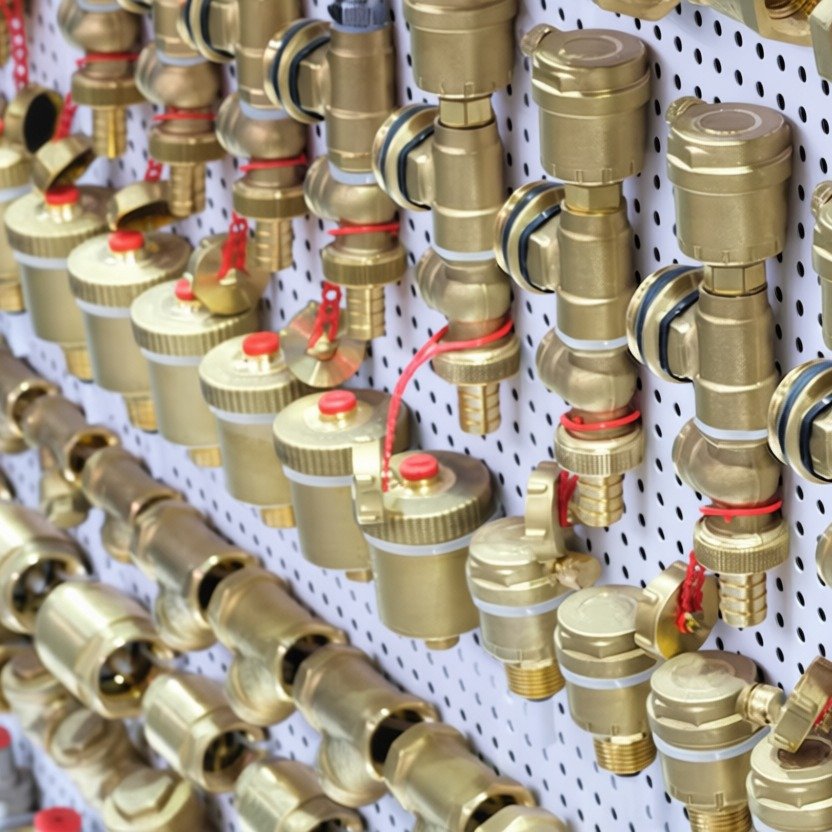
Brass is copper alloyed mainly with zinc. Free-cutting brass CW614N (and its US equivalent C36000) contains lead, which breaks the chips during machining and is the reason the alloy cuts so cleanly. It is the standard brass for turned parts, and Precimora lists it as the material for its bushings.
Bronze is copper alloyed mainly with tin, aluminum, or phosphorus rather than zinc. Bearing bronze, the common example being C93200 (also known as SAE 660), is a tin bronze with lead, designed specifically for bearings. Phosphor bronze (C51000 is a common example) is a tin-phosphorus bronze used where springiness and wear resistance matter. Aluminum bronze (C95400 is a common example) is a copper-aluminum alloy used where strength and corrosion resistance matter. These grades are standard examples to confirm with the supplier — Precimora’s bushing page states bronze is available per drawing, so the grade is a matter for the engineering review, not a guess.
The composition difference drives everything else. Zinc makes brass easy to machine and cheap. Tin and aluminum make bronze harder, more wear-resistant, and more expensive to machine. Neither alloy is better in general. Each is better for a specific job.
Wear and load: where bronze earns its price
A bushing’s job is to let a shaft rotate or slide inside it without seizing, galling, or wearing out. Bronze is the better bearing material for most such jobs. Its structure is harder and more wear-resistant than free-cutting brass, it embeds small particles of dirt rather than scoring the shaft, and it carries higher loads before deforming. A bronze bushing under a heavy, slow-moving shaft will outlast a brass one by a wide margin.
Brass is the better choice where the load is light and the motion is occasional. A brass bushing in a control assembly, a valve, or a piece of fluid hardware — the applications Precimora lists for its bushings — may never see the loads that would justify bronze. In those cases brass is cheaper, machines faster, and is entirely adequate. The question to ask is not “which alloy is better” but “what load and what motion does this bushing see”. If the shaft is heavy, slow, and loaded continuously, bronze is worth its price. If the load is light and the motion is intermittent, brass is the sensible choice.
Speed matters too. At high sliding speeds, the bearing generates heat, and the alloy must conduct that heat away and survive it. Bronze handles heat and high-speed sliding better than brass. At low speeds with high loads, bronze’s embeddability — its ability to swallow small particles without scoring — is the advantage. A buyer who states the load, the speed, and the duty cycle in the RFQ gives the supplier the information needed to recommend the right alloy.
Corrosion: different weaknesses
Both alloys corrode, but they corrode differently. Brass’s weakness is dezincification in water service, where zinc leaches out of the alloy and leaves a weak, porous copper structure — a failure mode covered in detail in the companion post on dezincification. Bronze’s weakness is different: it is generally more resistant to seawater and aggressive water, which is why bronze is the traditional material for marine bearings and pump parts.
For a bushing in a dry, indoor assembly, corrosion is a minor consideration and either alloy works. For a bushing in water service, in a marine environment, or in contact with chemicals, the environment should drive the choice, and the supplier should be asked which alloy the environment points to. Stating the environment in the RFQ — water, seawater, chemicals, outdoor exposure — is the single most useful piece of information a buyer can give on this question.
Machinability and cost: what bronze costs you
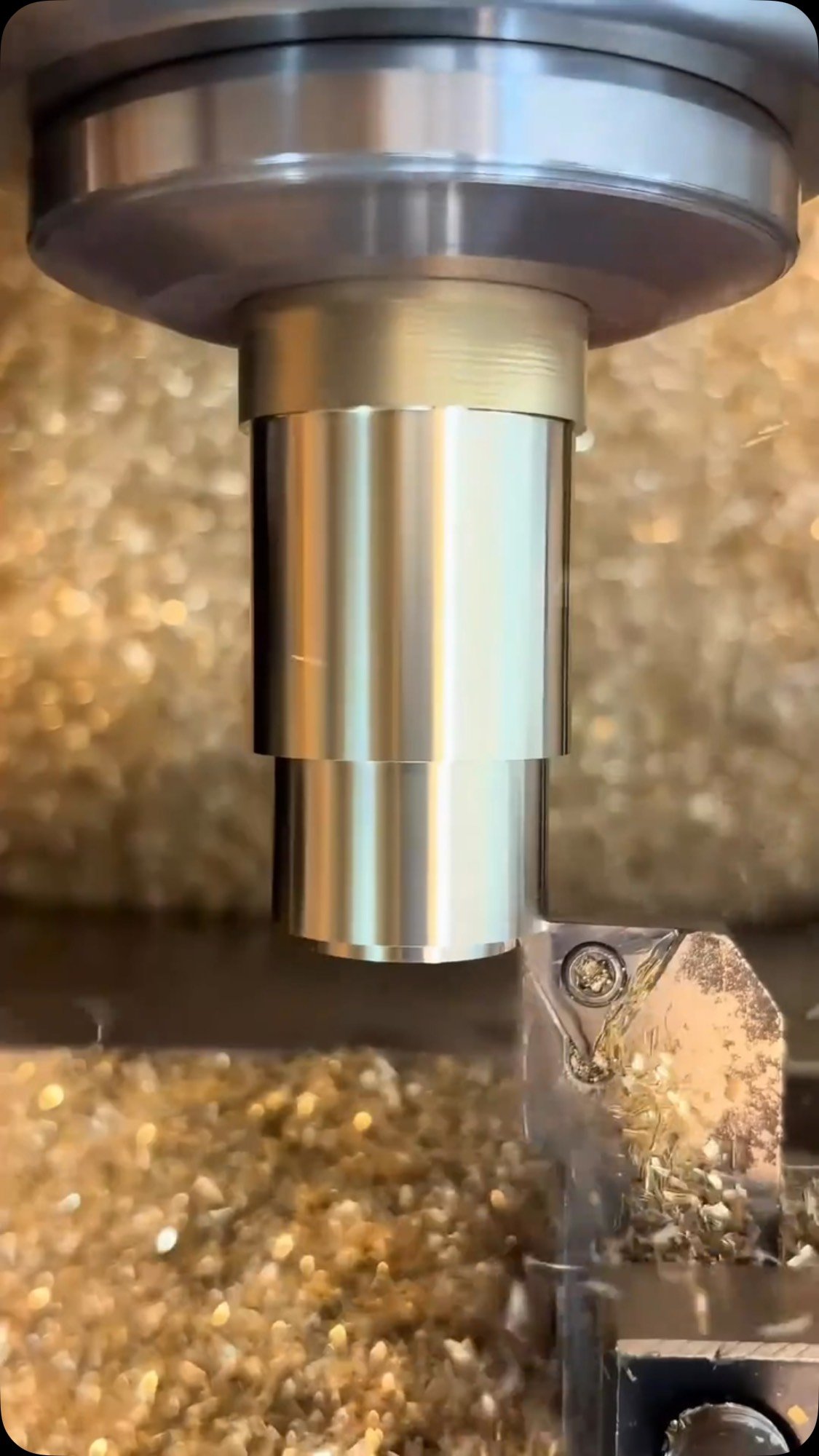
Free-cutting brass is one of the easiest metals to machine. It cuts fast, produces small chips, gives a good surface finish, and is gentle on tooling. That is why it is cheap: the machining time is short and the tooling lasts.
Bronze is harder to machine. It cuts more slowly, wears tooling faster, and produces a less clean finish at the same speeds. The material itself also costs more per kilogram. The result is a part that costs noticeably more than the same part in brass — sometimes substantially more, depending on the grade and the size. That cost is justified when the bearing needs bronze’s wear resistance or load capacity, and it is wasted when it does not.
The practical rule is to let the bearing requirement decide, not the price. A bronze bushing that lasts the life of the assembly is cheaper than a brass bushing that must be replaced twice. But a brass bushing that never sees a load that would wear it is cheaper than a bronze one that was specified by habit. The RFQ should state the load, the speed, the duty cycle, and the environment, and let the engineering review recommend the alloy — or confirm the buyer’s choice.

How to state the alloy in your RFQ
A good alloy specification names the grade, or names the function and asks for a recommendation. “CW614N brass” is a specification. “C93200 bronze” is a specification. “Bearing bronze, grade to be confirmed in review” is also a specification, as long as the load, speed, and environment are stated alongside it.
What does not work is “bronze” with no grade, or “brass” with no grade. Both words cover families of alloys with very different properties, and a supplier who guesses the grade may guess wrong. If the grade is not known, describe the job — load, speed, environment, mating shaft material — and ask the supplier to recommend a grade during the engineering review. That review exists for exactly this kind of decision.
Buyer questions, answered
What actually differs between brass and bronze?
Composition. Brass is copper alloyed mainly with zinc; free-cutting brass CW614N (US equivalent C36000) contains lead, which is why it cuts so cleanly. Bronze is copper alloyed mainly with tin, aluminium or phosphorus — bearing bronze C93200 (SAE 660), phosphor bronze C51000, aluminium bronze C95400. Zinc makes brass easy to machine and cheap; tin and aluminium make bronze harder, more wear-resistant and more expensive to machine.
When is bronze worth its higher price?
When the bearing is heavily loaded, slow-moving and running continuously, or sliding at high speed where heat must be conducted away. Bronze embeds small particles of dirt rather than scoring the shaft and carries higher loads before deforming. A bronze bushing under a heavy, slow-moving shaft will outlast a brass one by a wide margin.
When is brass the right choice?
Where the load is light and the motion is occasional — a control assembly, a valve, or fluid hardware, the applications Precimora lists for its bushings. In those cases brass is cheaper, machines faster, and is entirely adequate; specifying bronze there pays for wear resistance the part never uses.
Does the environment change the choice?
Yes. Brass’s weakness is dezincification in water service; bronze is generally more resistant to seawater and aggressive water, which is why it is the traditional material for marine bearings and pump parts. State the environment in the RFQ — water, seawater, chemicals, outdoor exposure — because it can decide the alloy on its own.
Common pitfalls and how to avoid them
The most common pitfall is specifying brass by habit for a bearing that needs bronze, and then replacing worn bushings. State the load and duty cycle, and ask whether bronze is indicated.
The second is specifying bronze by habit for a light-duty bushing, and paying for wear resistance the part never uses. State the load honestly, including when it is light.
The third is forgetting the environment. A bushing in water service needs a different alloy conversation from one in a dry cabinet. State the environment in the RFQ.
The fourth is naming an alloy family without a grade. “Bronze” is not a grade. Name the grade, or ask for a recommendation with the job described.
The fifth is ignoring the mating shaft. A bronze bushing against a soft shaft can wear the shaft; a brass bushing against a hard shaft can wear the bushing. State the shaft material and hardness so the pair can be reviewed together.
The alloy decision table
Match the bearing job to the alloy, using the comparisons in this post:
| Bearing job | Alloy | Why |
| Heavy, slow, continuous load | Bronze (e.g. C93200) | Harder, more wear-resistant, embeds dirt, carries higher loads |
| High sliding speed, heat to conduct away | Bronze | Handles heat and high-speed sliding better than brass |
| Light load, intermittent motion | Brass (CW614N / C36000) | Cheaper, machines faster, entirely adequate |
| Water, seawater, or aggressive environment | Bronze (or DZR brass — see the dezincification post) | Bronze resists seawater; brass dezincifies |
| Dry, indoor assembly | Either | Corrosion is a minor consideration; let load and cost decide |
The rule behind the table: state the load, the speed, the duty cycle, the environment, and the mating shaft material and hardness in the RFQ, and let the engineering review recommend the grade — or confirm yours. And name the grade: ‘bronze’ or ‘brass’ alone is not a grade, and a supplier who guesses the grade may guess wrong.
Buyer checklist
- The load on the bushing is stated: magnitude, direction, and whether it is continuous or intermittent.
- The sliding speed and duty cycle are stated.
- The environment is described: dry, humid, water, seawater, or chemical contact.
- The mating shaft material and hardness are stated.
- The alloy is specified by grade (for example CW614N, C36000, or a named bronze grade), or the job is described and a recommendation is requested.
- The expected service life is stated, so the supplier can judge whether the alloy choice matches it.
- The tolerance and surface finish are stated for the bore, the surface that does the bearing work.
- The alloy recommendation from the engineering review is confirmed in the quote before production.
Send the drawing and describe the bearing job — load, speed, duty cycle, and environment — in the RFQ at https://precimora.com/request-a-quote/ — the quote is promised in 24–48h.