Copper is the obvious material for an electrical part, and that is exactly why it is easy to specify badly. A buyer writes “copper” on the drawing and assumes the electrical job is done — but the part that arrives may conduct well and still fail, because the contact surface tarnished in storage, because the plating was never discussed, because the current the part must carry was never stated, or because the mating surface was never described. This guide solves that problem: conductivity is only one part of the electrical job, and the rest — contact, surface condition, environment, and the way the part is used in the circuit — has to be written into the RFQ too. A copper turned part specified for its electrical function needs an RFQ that describes that function, not just the material name.

Conductivity: what to state, and what to confirm
Copper is chosen for electrical parts because it conducts well, but “conducts well” is not a specification. The buyer should state what the part must do electrically: carry current, make a connection, ground a circuit, or conduct heat away from a component. State the current the part will carry and whether it is continuous or intermittent, because a part that carries a brief pulse can be specified differently from one that carries a continuous load. Do not invent a conductivity figure for the RFQ. Instead, state the electrical job and ask the supplier to confirm the material and temper that suit it — the supplier can confirm the appropriate copper grade for the application, and the buyer should record that confirmation rather than assuming a grade from a catalogue. If a specific copper grade is already fixed by the design, state it; if it is open, say so and ask for a recommendation tied to the electrical job.
Contact surfaces: where the electricity actually passes
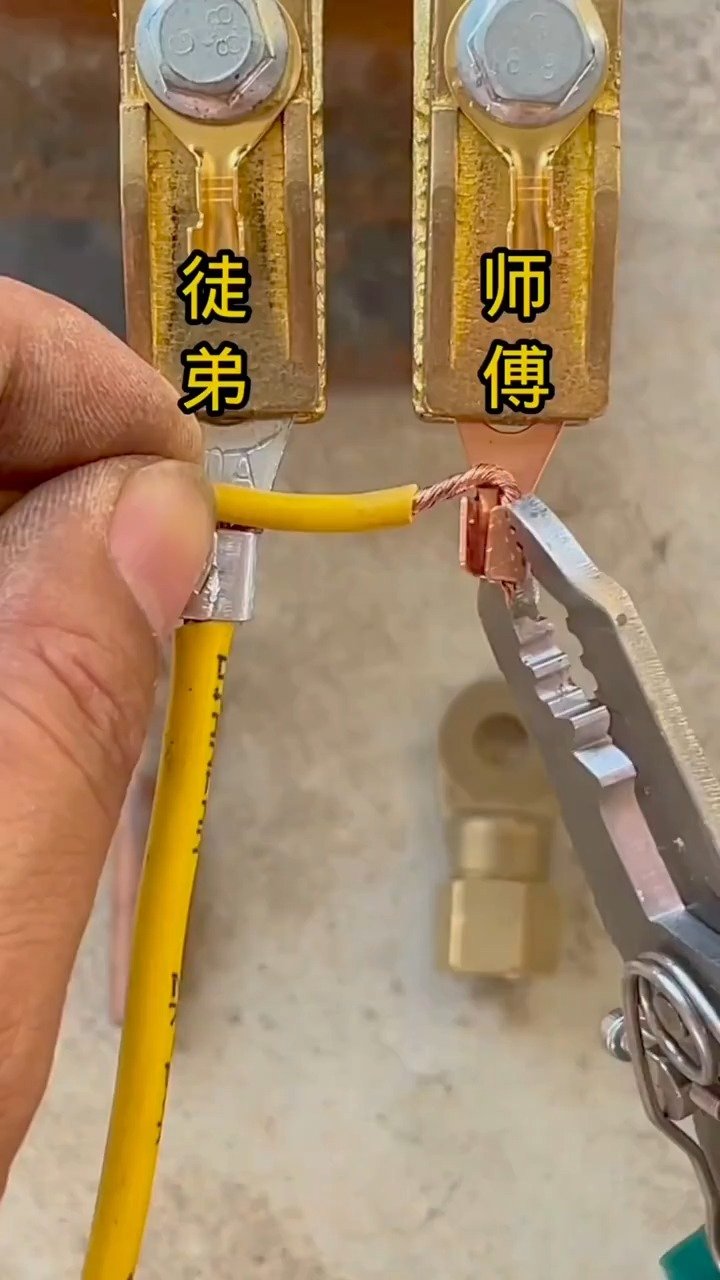
Electricity passes through contact surfaces, not through the bulk of the part alone. A contact face that is rough, dirty, oxidised, or plated with the wrong material will resist current even if the copper underneath is excellent. State which surfaces are contact surfaces in the RFQ, and what they must do: mate with another conductor, accept a wire, or press against a terminal. State whether the contact is permanent or made and broken repeatedly, because a contact that is opened and closed needs a surface that survives that wear. The surface finish on a contact face is a functional requirement, not a cosmetic one, and it should be called out only on the faces that carry current. A drawing that calls out a fine finish on the whole part wastes money; a drawing that calls out no finish on the contact face risks a bad connection.
Tarnish and oxidation: the problem that starts in storage

Copper tarnishes. A part that leaves the factory bright can arrive dull, and a dull contact surface can behave differently from a bright one. The buyer should state how the part will be stored and how long it may sit before use, because a part stored for months in a humid warehouse needs different protection from one used the week it arrives. Ask the supplier what protection is provided — packaging, a protective coating, or a plating — and whether the contact surfaces need cleaning before assembly. Do not assume the part will be used immediately, and do not assume tarnish is only cosmetic: on a contact surface it can be the difference between a connection that works and one that does not. State the storage conditions and the time between delivery and use in the RFQ, so the protection can be judged against the real timeline.
Plating: the questions to ask before you assume
Plating is often assumed and rarely specified. A buyer may expect a copper part to be plated, or expect it to be bare, without either expectation being written down. If plating is needed, state it: which surfaces are plated, what the plating is for (corrosion protection, solderability, contact performance, or appearance), and whether the plating must survive soldering or repeated mating. If plating is not needed, say so, because plating adds cost and changes dimensions. Ask the supplier whether the plating affects the thread or the contact dimensions, and whether the plating is applied before or after final machining. A plated thread that was not allowed for in the drawing will not fit, and a contact face plated with the wrong material will not conduct as expected. Plating is a decision, not a default, and it belongs in the RFQ as a decision.
Describing the electrical job in the RFQ
The most useful thing a buyer can put in a copper RFQ is a plain description of the electrical job. What does the part connect, what current does it carry, is the current continuous or intermittent, does the part get hot in service, is the connection permanent or opened for service, and what is on the other side of the connection? That description lets the engineer judge the material, the contact surfaces, the plating, and the protection together. A drawing that says only “copper, turned” gives the supplier nothing to judge. A drawing that says “copper terminal, carries current to a motor, connection opened monthly for service, stored up to three months before use” gives the supplier everything. Write the job in plain words first, and let the dimensions follow it.
Heat, vibration, and the environment around the part
An electrical part does not live in isolation. It lives in an enclosure, near a heat source, or in a place that vibrates. Heat changes how a copper part behaves and how its contact surfaces age; vibration loosens connections and wears contact faces; a corrosive or humid environment tarnishes copper faster. State the environment in the RFQ: the temperature the part will see, whether it vibrates, whether it is enclosed or exposed, and whether it will be handled during service. Each of those facts changes the specification — the material temper, the plating, the protection, or the contact design — and none of them can be guessed from the part’s shape alone. A part specified without its environment is a part specified for a laboratory, not for service.
Common pitfalls and how to avoid them
The most common pitfall is writing “copper” and assuming the electrical job is specified, when only the material has been named. The second is a contact surface that was never identified, so it is finished like every other surface and fails as a contact. The third is tarnish in storage, discovered only when the part is assembled months after delivery. The fourth is plating that was assumed but never written down, or written down without saying which surfaces it covers. The fifth is a current requirement that was never stated, so the part is sized for the wrong load. The sixth is an environment — heat, vibration, humidity — that was never mentioned, so the part is specified for conditions it will never see. Each of these is a description that was left out of the RFQ, and each is cheaper to add before quoting than to fix after delivery.
Buyer FAQ
Isn’t copper enough for an electrical part?
No. Copper is chosen for electrical parts because it conducts well, but “conducts well” is not a specification. Conductivity is only one part of the electrical job. The rest is contact, surface condition, environment, and the way the part is used in the circuit.
What current information should I state?
What the part must do electrically: carry current, make a connection, ground a circuit, or conduct heat away from a component. State the current the part will carry and whether it is continuous or intermittent, because a part that carries a brief pulse can be specified differently from one that carries a continuous load. Do not invent a conductivity figure for the RFQ — state the electrical job and ask the supplier to confirm the material and temper that suit it.
Which surfaces are contact surfaces?
The surfaces where the electricity actually passes. State which surfaces are contact surfaces in the RFQ, and what they must do: mate with another conductor, accept a wire, or press against a terminal. State whether the contact is permanent or made and broken repeatedly, because a contact that is opened and closed needs a surface that survives that wear. The surface finish on a contact face is a functional requirement, not a cosmetic one.
Why does tarnish matter?
Copper tarnishes. A part that leaves the factory bright can arrive dull, and a dull contact surface can behave differently from a bright one. Do not assume the part will be used immediately, and do not assume tarnish is only cosmetic: on a contact surface it can be the difference between a connection that works and one that does not. State how the part will be stored and how long it may sit before use, and ask what protection is provided.
Should I specify plating?
Yes — as a decision, not a default. If plating is needed, state which surfaces are plated, what the plating is for (corrosion protection, solderability, contact performance, or appearance), and whether the plating must survive soldering or repeated mating. If plating is not needed, say so, because plating adds cost and changes dimensions. Ask whether the plating affects the thread or the contact dimensions, and whether it is applied before or after final machining.
What environment details matter?
The temperature the part will see, whether it vibrates, whether it is enclosed or exposed, and whether it will be handled during service. Heat changes how a copper part behaves and how its contact surfaces age; vibration loosens connections and wears contact faces; a corrosive or humid environment tarnishes copper faster. A part specified without its environment is a part specified for a laboratory, not for service.
The electrical job in one paragraph
The most useful thing a buyer can put in a copper RFQ is a plain description of the electrical job. Write it first, and let the dimensions follow it. Use this shape, filling in each part from the sections above:
Copper [part], carries current to [what it connects], [continuous or intermittent] current, connection [permanent, or opened for service — how often], stored up to [time] before use, in [environment: temperature, vibration, enclosure, humidity].
For example, in the shape this guide gives: a copper terminal that carries current to a motor, with a connection opened monthly for service, stored up to three months before use. A drawing that says only “copper, turned” gives the supplier nothing to judge. A drawing that describes the job that way gives the supplier everything: the material, the contact surfaces, the plating, and the protection can all be judged together, against the real job.
Do not invent a conductivity figure to fill the gap. If a specific copper grade is already fixed by the design, state it; if it is open, say so and ask for a recommendation tied to the electrical job — and record the supplier’s confirmation rather than assuming a grade from a catalogue.
Buyer checklist
- The electrical job is described in plain words: what the part connects, and what current it carries.
- Whether the current is continuous or intermittent is stated.
- The contact surfaces are identified, with whether the connection is permanent or opened for service.
- The surface finish is called out on the contact faces that carry current, not on the whole part.
- Storage conditions and the time between delivery and use are stated, with tarnish protection agreed.
- Plating is stated as a decision — which surfaces, what it is for — or explicitly stated as not needed.
- The environment is named: temperature, vibration, enclosure, humidity.
- Any copper grade or conductivity requirement is stated as a confirmed value or flagged as a question for the supplier to confirm, not invented.