When machined parts arrive, the paperwork that comes with them is as important as the parts themselves — and it is the part of the order most buyers understand least. A certificate, a dimensional report, and a first-article report sound similar, but they prove different things, and asking for the wrong one leaves the buyer with a document that is formally correct and still does not answer the question they actually have. This guide solves that problem: it explains what each document proves and what it does not, how to read a dimensional report, when a first-article inspection or a material certificate is worth asking for, and how to agree the documentation level in the RFQ — before ordering — so the cost of documentation is in the quote and the buyer knows exactly what to check when the box arrives.
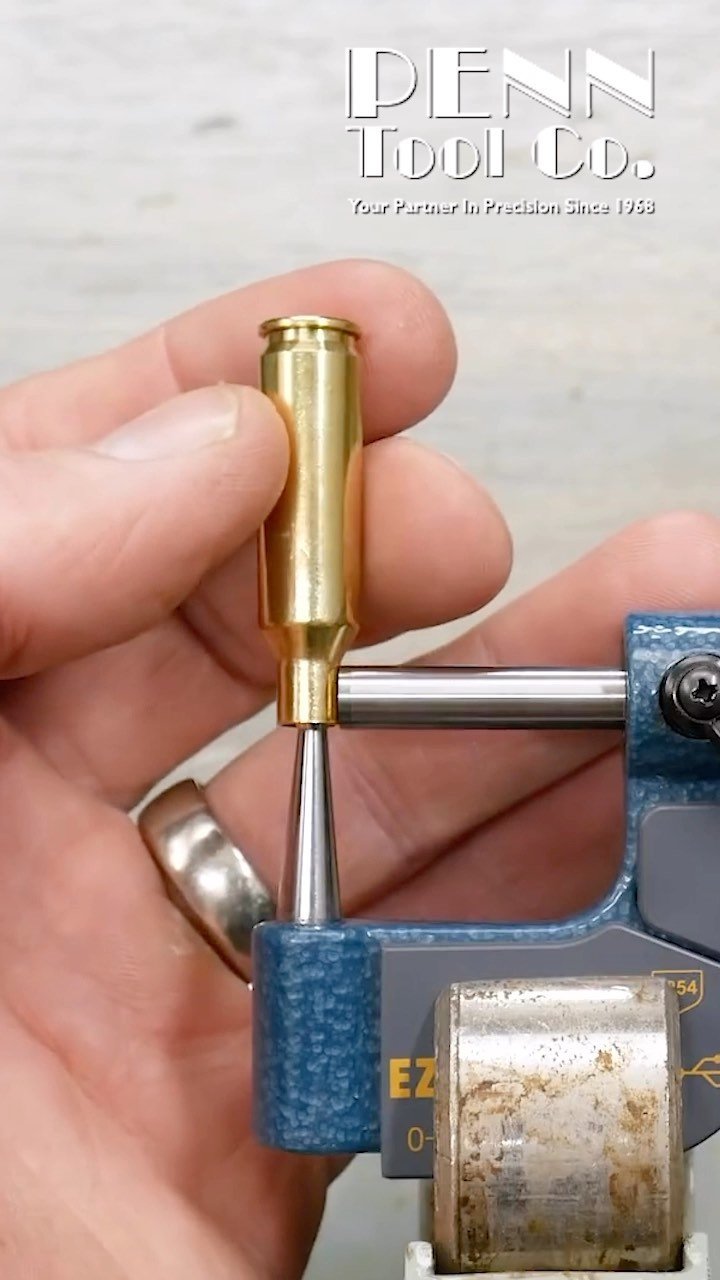
Why documentation is agreed in the RFQ, not after delivery
Inspection documentation costs time and money: someone has to measure the parts, record the results, and prepare the documents. If the buyer asks for it after the parts are made, the measurement may have to be repeated, or the parts may already be packed. If the buyer never asks for it, the supplier will ship the parts with whatever paperwork is standard for that order — which may be nothing at all. Agreeing the documentation level in the RFQ avoids both problems. The RFQ should state which documents are needed, which dimensions they must cover, and whether they apply to every part, a sample, or only the first batch. That way the cost of documentation is in the quote, the measurement is planned into production, and the buyer knows what will arrive with the parts.
Certificate of conformance: what it proves, and what it does not
A certificate of conformance is a signed statement that the parts were made to the drawing and the order requirements. It is the simplest form of documentation, and for many standard parts it is enough. But a buyer should understand what it does not prove: it does not show any measured values. It says the parts conform; it does not show the numbers that support that claim. That is fine when the buyer trusts the supplier’s process and only needs a formal record for their own files. It is not enough when the buyer needs evidence that a specific dimension was measured, or when a customer of the buyer’s own asks for measured data. Asking for a certificate when a dimensional report is needed is a common mistake — the document arrives, it is formally correct, and it still does not answer the question.
Dimensional inspection reports: reading measured values
A dimensional inspection report lists the dimensions that were measured and the values found, usually against the drawing’s requirements. This is the document to ask for when the buyer needs evidence, not just assurance. When reading one, the buyer should check four things. First, which dimensions were measured — the critical ones should all be there, not just the easy ones. Second, whether the values are within the drawing’s tolerances. Third, how many parts were measured — every part, or a sample, and if a sample, how many. Fourth, what instrument was used, where that matters for the dimension in question. A report that lists only the dimensions that passed, without saying how many parts were checked, is a report that has to be questioned, not filed away.
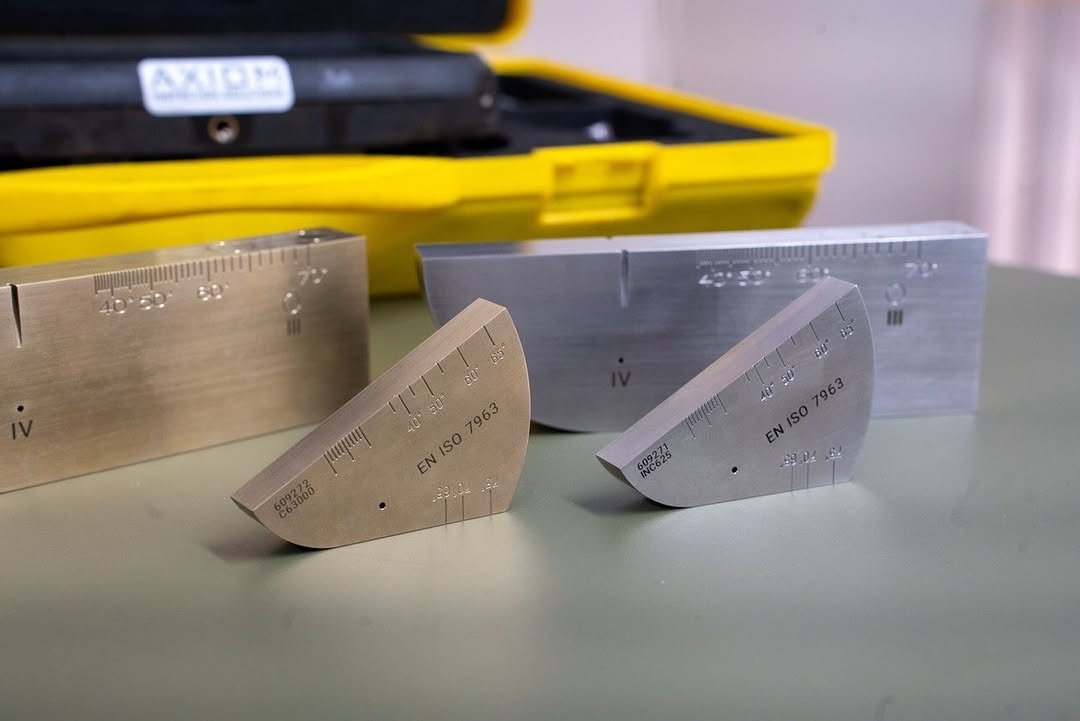
First-article inspection: proving the process before the run
A first-article inspection is a full check of the first parts made to a new drawing or a new revision, before the rest of the batch is produced. It proves that the setup, the tooling, and the process produce parts that meet the drawing — before the supplier commits to making the whole quantity. For a new part, a new supplier, or a changed drawing, it is the most valuable document in the order, because it catches a setup error while only a few parts have been made. The buyer should agree in the RFQ whether a first-article report is required, which dimensions it covers, and what happens if the first article fails: the supplier corrects the setup and produces a new first article, rather than continuing the run and hoping the problem goes away.
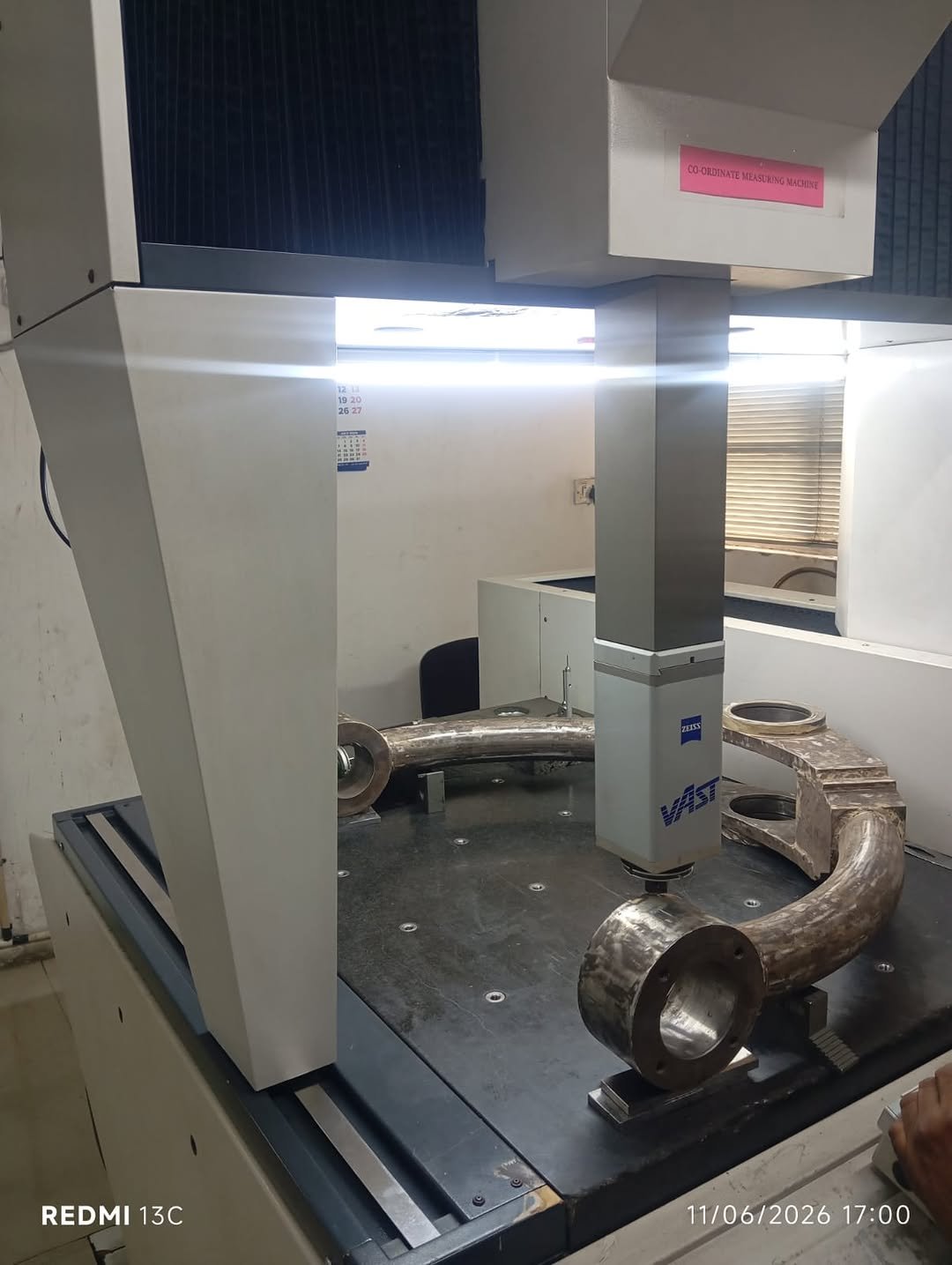
Material certificates and traceability: what to ask for
For some parts, the buyer also needs to know what material the parts were made from, and sometimes to trace that material back to its source. A material certificate states the material grade and, where applicable, the composition or properties recorded for that batch of material. Traceability means the parts can be linked to that certificate — by a batch number, a heat number, or a marking on the part. Not every order needs this, and the buyer should ask for it only where it matters: where the material grade is critical to the part’s function, where the buyer’s customer requires it, or where a failure would have serious consequences. Asking for full traceability on a simple fitting adds cost and paperwork for no benefit; failing to ask for it on a critical part leaves the buyer unable to prove what the part was made from.
What documentation does not do
Documentation is evidence, not a guarantee, and a buyer should not treat it as one. A dimensional report proves that the parts measured met the drawing at the time they were measured; it does not prove that every part in the batch is identical, unless every part was measured. A certificate of conformance proves that the supplier states the parts conform; it does not replace the buyer’s own incoming check. A material certificate proves the material batch; it does not prove the finished part’s strength or performance. The right way to use documentation is as one layer of assurance alongside the buyer’s own arrival check: the documents say what the supplier measured, and the buyer’s check confirms that the parts received match the documents.
Agreeing the documentation level: matching the documents to the risk
The documentation level should match the risk of the part, not the buyer’s habit. A simple, low-risk part may need only a certificate of conformance. A part with critical dimensions may need a dimensional report on a sample, plus a first-article report for the first batch. A part where the material matters may need a material certificate as well. The RFQ is the place to set this out: list the documents required, the dimensions they must cover, the sample size if sampling is used, and whether the requirement applies to the first order only or to every repeat order. A supplier who sees this in the RFQ can quote the measurement time honestly. A supplier who first hears about it when the parts are already packed will either charge extra or deliver a document that was prepared in a hurry.
Common pitfalls and how to avoid them
The most common pitfall is asking for documentation after delivery, when the measurement has to be repeated or cannot be done at all. The second is asking for a certificate of conformance when measured values are actually needed. The third is accepting a dimensional report without checking how many parts were measured. The fourth is ordering a first-article inspection for a repeat order of an unchanged part, and paying for a check that adds nothing. The fifth is asking for full material traceability on a part where it does not matter, and paying for paperwork nobody will read. The sixth is filing the documents without reading them, so a failed dimension is discovered only when the part is already in assembly. Each of these is avoided by deciding the documentation level in the RFQ, matching it to the part’s risk, and reading what arrives.
Buyer FAQ
What does a certificate of conformance prove?
It is a signed statement that the parts were made to the drawing and the order requirements — the simplest form of documentation, and for many standard parts it is enough. But it does not show any measured values: it says the parts conform; it does not show the numbers that support that claim. Asking for a certificate when a dimensional report is needed is a common mistake.
What does a dimensional inspection report prove?
It lists the dimensions that were measured and the values found, usually against the drawing’s requirements. When reading one, check four things: which dimensions were measured (the critical ones should all be there, not just the easy ones); whether the values are within the drawing’s tolerances; how many parts were measured — every part, or a sample, and if a sample, how many; and what instrument was used, where that matters. A report that lists only the dimensions that passed, without saying how many parts were checked, is a report that has to be questioned, not filed away.
When do I need a first-article inspection?
For a new part, a new supplier, or a changed drawing. A first-article inspection is a full check of the first parts made to a new drawing or a new revision, before the rest of the batch is produced — it proves that the setup, the tooling, and the process produce parts that meet the drawing, before the supplier commits to making the whole quantity. Agree in the RFQ whether it is required, which dimensions it covers, and what happens if the first article fails: the supplier corrects the setup and produces a new first article.
When do I need a material certificate or traceability?
Only where it matters: where the material grade is critical to the part’s function, where the buyer’s customer requires it, or where a failure would have serious consequences. A material certificate states the material grade and, where applicable, the composition or properties recorded for that batch; traceability means the parts can be linked to that certificate by a batch number, a heat number, or a marking on the part. Asking for full traceability on a simple fitting adds cost and paperwork for no benefit.
Does documentation replace my own incoming check?
No. Documentation is evidence, not a guarantee. A dimensional report proves that the parts measured met the drawing at the time they were measured; it does not prove that every part in the batch is identical, unless every part was measured. A certificate proves that the supplier states the parts conform; it does not replace the buyer’s own incoming check. Use the documents as one layer of assurance alongside your own arrival check.
When should documentation be agreed?
In the RFQ, before ordering — not after delivery. Inspection documentation costs time and money: someone has to measure the parts, record the results, and prepare the documents. If the buyer asks for it after the parts are made, the measurement may have to be repeated, or the parts may already be packed. If the buyer never asks for it, the supplier will ship the parts with whatever paperwork is standard for that order — which may be nothing at all.
Which document answers your question?
Start from the question, not from the document name. Each document below answers a different question — and none of them answers all four.
- “Were the parts made to the drawing?” — Certificate of conformance. A signed statement, no measured values. Enough for many standard parts and for a formal record in your own files.
- “What were the measured values?” — Dimensional inspection report. Lists the dimensions measured and the values found against the drawing’s requirements. Check which dimensions, whether in tolerance, how many parts, and what instrument was used.
- “Does the process produce good parts before the run?” — First-article inspection. A full check of the first parts to a new drawing or revision, before the rest of the batch is produced. The most valuable document for a new part, a new supplier, or a changed drawing.
- “What material were the parts made from?” — Material certificate, with traceability where needed. Ask only where the grade is critical, a customer requires it, or a failure would have serious consequences.
Match the level to the risk, not to habit: a simple, low-risk part may need only a certificate of conformance; a part with critical dimensions may need a dimensional report on a sample, plus a first-article report for the first batch; a part where the material matters may need a material certificate as well. And ordering a first-article inspection for a repeat order of an unchanged part pays for a check that adds nothing.
Buyer checklist
- The documentation level is agreed in the RFQ, before ordering — not requested after delivery.
- The RFQ states which documents are required: certificate of conformance, dimensional report, first-article report, material certificate, or a combination.
- For dimensional reports, the critical dimensions to be measured are listed by name.
- The sample size is stated: every part, a sample of a stated number, or the first article only.
- For a new part, a new supplier, or a changed drawing, a first-article report is requested.
- Material certificates and traceability are requested only where the material grade is critical or a customer requires it.
- On arrival, the documents are read — dimensions checked against the drawing, sample size noted — not just filed.
- The buyer’s own incoming check is still done; the documents support it, they do not replace it.