Stainless steel is the material buyers reach for when they want to be safe — and that instinct is the problem this guide solves. It resists corrosion, it is strong, and it sounds like the durable choice, but it is also harder to machine than brass, which means slower turning, faster tool wear, and a quote that reflects both. A buyer who specifies stainless steel by default pays for durability the part may never need; a buyer who specifies brass by default risks a part that fails in the one environment where stainless was necessary. The question is not which material is better. The question is what the part must survive, and whether the extra machining cost buys survival that the application actually needs — so this guide tests stainless against brass on corrosion, strength, wear, machinability, threads and service life, and shows how to decide in the RFQ.
Corrosion: the case stainless wins clearly
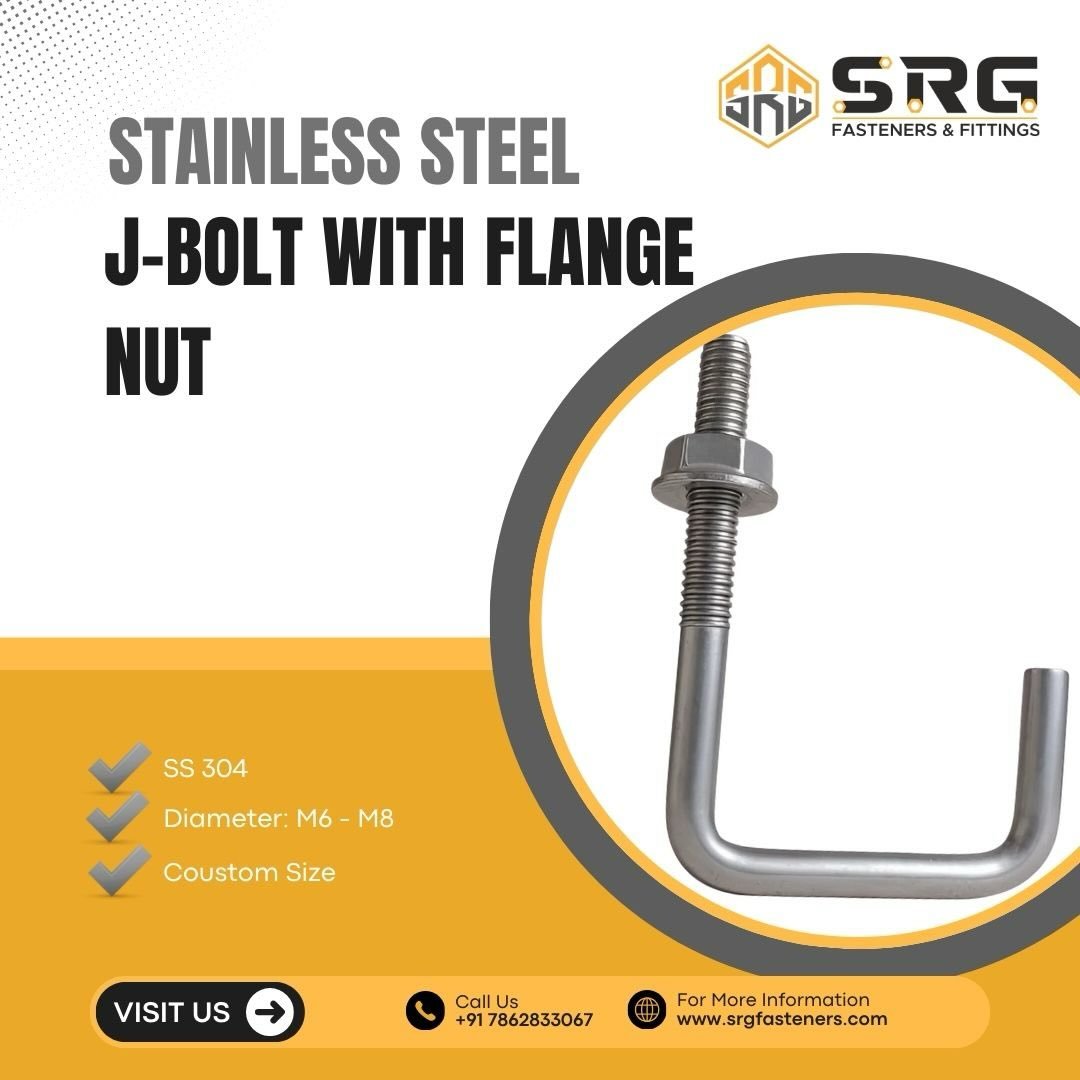
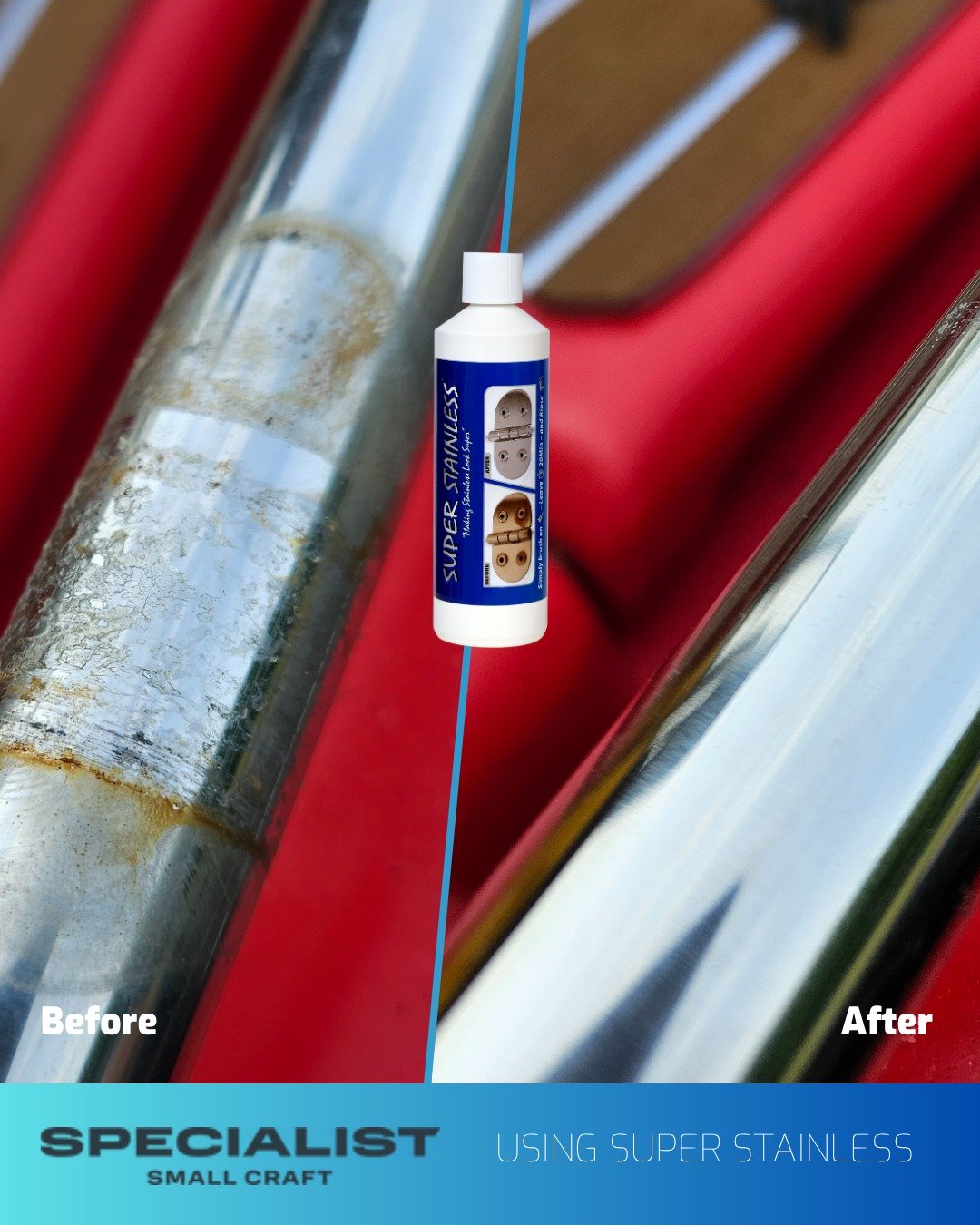
Corrosion is the strongest reason to choose stainless steel. A part that sits outdoors, in a marine atmosphere, in a washdown environment, or in contact with chemicals will corrode in brass long before it corrodes in stainless. But corrosion is not one condition, and the RFQ should name it precisely: salt spray, humidity, cleaning chemicals, or contact with a dissimilar metal. A part that is indoors and dry does not need stainless for corrosion, however reassuring the word sounds. A part that is washed down daily does. State the environment in plain terms — where the part lives, what touches it, how often it is cleaned and with what — and let the engineer judge whether the environment justifies stainless. A buyer who writes only “corrosion resistant” in the RFQ leaves the supplier to guess, and the guess will be made on the safest, most expensive assumption.
Strength and wear: where stainless earns its price
Stainless steel carries higher loads and resists wear better than brass, and there are applications where that difference is the whole decision. A part that is loaded in tension, cycled repeatedly, or subject to vibration and shock needs the strength that stainless provides. A part that slides under load, or that must hold a thread that is tightened and loosened many times, benefits from stainless wear resistance. But strength that is never used is money spent for nothing. A fitting that carries a light, steady load in a sheltered housing does not need the strength of stainless, and a buyer who specifies it there is paying for a property the part never exercises. Describe the load in the RFQ in plain terms — is it tightened once and left alone, cycled repeatedly, loaded in tension, or subject to vibration? That description lets the engineer judge whether the strength is needed, and it is more useful than a strength figure copied from a datasheet without context.
Where brass would have done the job for less
Brass is often the lowest total cost for a turned part because it machines efficiently and inspects cleanly, and there are many applications where it is the right answer and stainless is an over-specification. A fitting in an indoor assembly, a connector in a sheltered enclosure, a nut or bushing that carries a moderate load and is not exposed to aggressive corrosion — these are brass jobs, and a stainless version of the same part costs more to make without lasting longer in service. The test is simple: name the failure mode the part must survive. If the failure mode is corrosion in an aggressive environment, or a load that brass cannot carry, stainless earns its place. If the failure mode is ordinary wear in a sheltered setting, brass will do the job for less. A buyer who compares quotes across materials should compare the total cost of the part in service, not the material price alone, and should ask for the quote on the same drawing, the same quantities, and the same inspection requirements.
Machinability: what the extra cost actually pays for
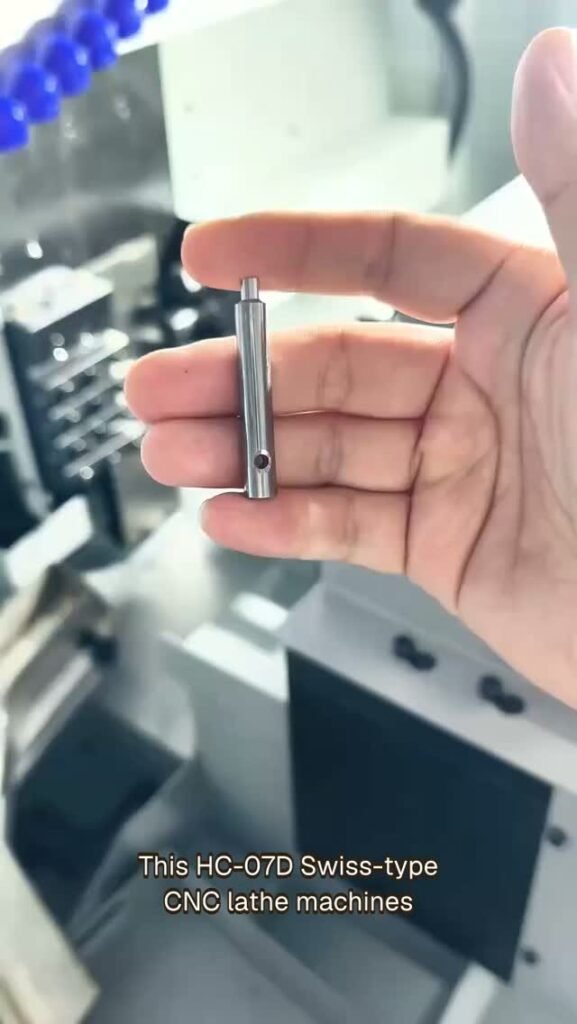
The extra cost of stainless is not the material alone. Stainless work-hardens and wears tools faster, so the turning process is slower and the tooling cost is higher. That difference shows up in the quote, and a buyer should understand what it buys: a part that survives the environment and the load that brass could not. It does not buy tighter tolerances or a better surface finish by itself — those are separate specifications, and they cost money in any material. A buyer who changes from brass to stainless on the same drawing changes the process, the inspection, and the price, and that change should be made before the drawing is frozen and the quote is written, not after. If the budget is fixed, that is a reason to confirm the material early, while a change is still cheap, rather than changing it after the quote.
Threads, sealing and mating surfaces in stainless
Threads are where the material choice becomes visible. Stainless threads can gall when tightened against stainless, so the mating material and any lubrication should be stated in the RFQ if the joint will be assembled and disassembled. Sealing faces and press-fit surfaces also behave differently in stainless than in brass: a press fit that works in stainless may not work in brass at the same interference, and a bore that must stay round under load behaves differently in each material. State the function of each surface — sealing, sliding, press fit, thread — so the engineer can judge whether stainless supports it. If the part will sit against another metal, say so: galvanic contact between dissimilar metals is a real design consideration, and the material choice for the turned part should be made together with the mating material, not in isolation.
Appearance, cleaning and service life
Stainless steel has one advantage that is easy to overvalue and one that is easy to undervalue. The overvalued one is appearance: stainless looks durable, and a buyer can be tempted to specify it because it looks like the premium choice. Appearance matters where the part is visible to the end user, and the RFQ should say so if it does — but appearance alone is not a reason to pay for stainless in a hidden part. The undervalued advantage is service life in a harsh environment: a stainless part that is never replaced can be the cheapest option over the life of the product, even when it is the most expensive option on the quote. That is a whole-life comparison, and it needs the service conditions to be stated honestly. A part that is replaced every year anyway does not benefit from a twenty-year material. A part that cannot be inspected or replaced easily does.
Ordering workflow, from environment to material decision
A workable material decision follows the same shape every time. First, name the environment: indoor, sheltered outdoor, marine, chemical, or washdown, and what touches the part. Second, name the failure mode: corrosion, wear, thread damage, or load. Third, describe the load and the mating material, and whether the joint is assembled once or repeatedly. Fourth, ask whether the material is a requirement or open to recommendation — an engineer who sees the whole application can advise, but only if the application is described. Fifth, request the quote on the same drawing, quantities, and inspection requirements, and compare the total cost of the part in service, not the material price alone. Precimora promises a quote in 24–48h when the RFQ contains the information an engineer needs. Following those steps is what keeps stainless where it earns its price, and brass where brass does the job for less.
Common pitfalls and how to avoid them
The most common pitfall is specifying stainless by default, as insurance, and paying for durability the part never needs. The second is specifying brass by habit in an aggressive environment, and finding the part corroded in service. The third is changing material after the quote without re-quoting, which leaves the price, the process, and the inspection out of step with the drawing. The fourth is ignoring galling: stainless threads tightened against stainless without lubrication or a stated mating material. The fifth is comparing quotes across materials on different drawings, quantities, or inspection requirements, so the comparison proves nothing. The sixth is choosing stainless for appearance in a part nobody sees, while the part that is visible and exposed gets brass. Each of these is a material decision made without the application in front of it, and each is fixed by describing the environment, the load, and the failure mode in the RFQ.
Buyer FAQ
When is stainless steel clearly the right choice? — When corrosion is the failure mode in an aggressive environment: a part that sits outdoors, in a marine atmosphere, in a washdown environment, or in contact with chemicals will corrode in brass long before it corrodes in stainless. The same applies where the part cannot be inspected or replaced easily. Name the environment precisely in the RFQ — salt spray, humidity, cleaning chemicals, or contact with a dissimilar metal — rather than writing only “corrosion resistant.”
When would brass have done the job for less? — Brass is often the lowest total cost for a turned part because it machines efficiently and inspects cleanly. A fitting in an indoor assembly, a connector in a sheltered enclosure, a nut or bushing that carries a moderate load and is not exposed to aggressive corrosion — these are brass jobs, and a stainless version of the same part costs more to make without lasting longer in service.
Why does stainless steel cost more to machine? — The extra cost is not the material alone. Stainless work-hardens and wears tools faster, so the turning process is slower and the tooling cost is higher. That difference shows up in the quote. It does not buy tighter tolerances or a better surface finish by itself — those are separate specifications, and they cost money in any material.
What is galling, and how do I avoid it? — Stainless threads can gall when tightened against stainless, so the mating material and any lubrication should be stated in the RFQ if the joint will be assembled and disassembled. The same applies to sealing faces and press-fit surfaces: a press fit that works in stainless may not work in brass at the same interference, so state the function of each surface — sealing, sliding, press fit, thread.
Should I choose stainless steel for its appearance? — Only if the part is visible to the end user. Stainless looks durable, and a buyer can be tempted to specify it because it looks like the premium choice — but appearance alone is not a reason to pay for stainless in a hidden part. Say in the RFQ whether appearance matters.
How do I compare a stainless quote with a brass quote fairly? — Ask for the quote on the same drawing, the same quantities, and the same inspection requirements, and compare the total cost of the part in service, not the material price alone. A stainless part that is never replaced can be the cheapest option over the life of the product, even when it is the most expensive option on the quote — but a part that is replaced every year anyway does not benefit from a twenty-year material.
The failure-mode test: stainless or brass?
Name the failure mode first. The material follows from it — not from habit, and not from how the material sounds.
- Failure mode: corrosion in an aggressive environment (outdoors, marine, washdown, chemicals) — stainless earns its place. Brass will corrode there long before stainless does.
- Failure mode: a load brass cannot carry (loaded in tension, cycled repeatedly, vibration and shock, a thread tightened and loosened many times) — stainless earns its price on strength and wear resistance.
- Failure mode: ordinary wear in a sheltered setting (indoor assembly, sheltered enclosure, moderate load, no aggressive corrosion) — brass does the job for less. Stainless here is durability the part never uses.
- Whole-life check: a stainless part that is never replaced can be the cheapest option over the life of the product. A part that is replaced every year anyway does not benefit from a twenty-year material. A part that cannot be inspected or replaced easily does.
Then confirm the material early, before the drawing is frozen and the quote is written: changing from brass to stainless on the same drawing changes the process, the inspection, and the price, and if the budget is fixed, that is a reason to confirm the material while a change is still cheap.
Buyer checklist
- The service environment is named: indoor, sheltered outdoor, marine, chemical, or washdown, with what touches the part.
- The failure mode is named: corrosion, wear, thread damage, or load.
- The load is described in plain terms: tightened once or cycled, tension, vibration, or shock.
- The mating material is named, and whether the joint is assembled once or repeatedly.
- It is stated whether appearance matters, and whether the part is visible to the end user.
- The material is stated as a requirement or open to recommendation — not copied by habit.
- Any material change is made before the drawing is frozen and the quote is written, with a re-quote if it changes afterwards.
- Quotes across materials are compared on the same drawing, quantities, and inspection requirements, on total cost in service.